There was a moment, somewhere in my early forties, when I realised that everything had simply stopped working.
It was gradual, and it snuck up, tapping me on the shoulder when I wasn't quite ready. The workouts that used to keep me lean weren't working anymore. I was eating better than ever but still bloated. Sleep was a joke. My mood was, let's say, not my finest. And the people closest to me were noticing. I wasn't the same person.
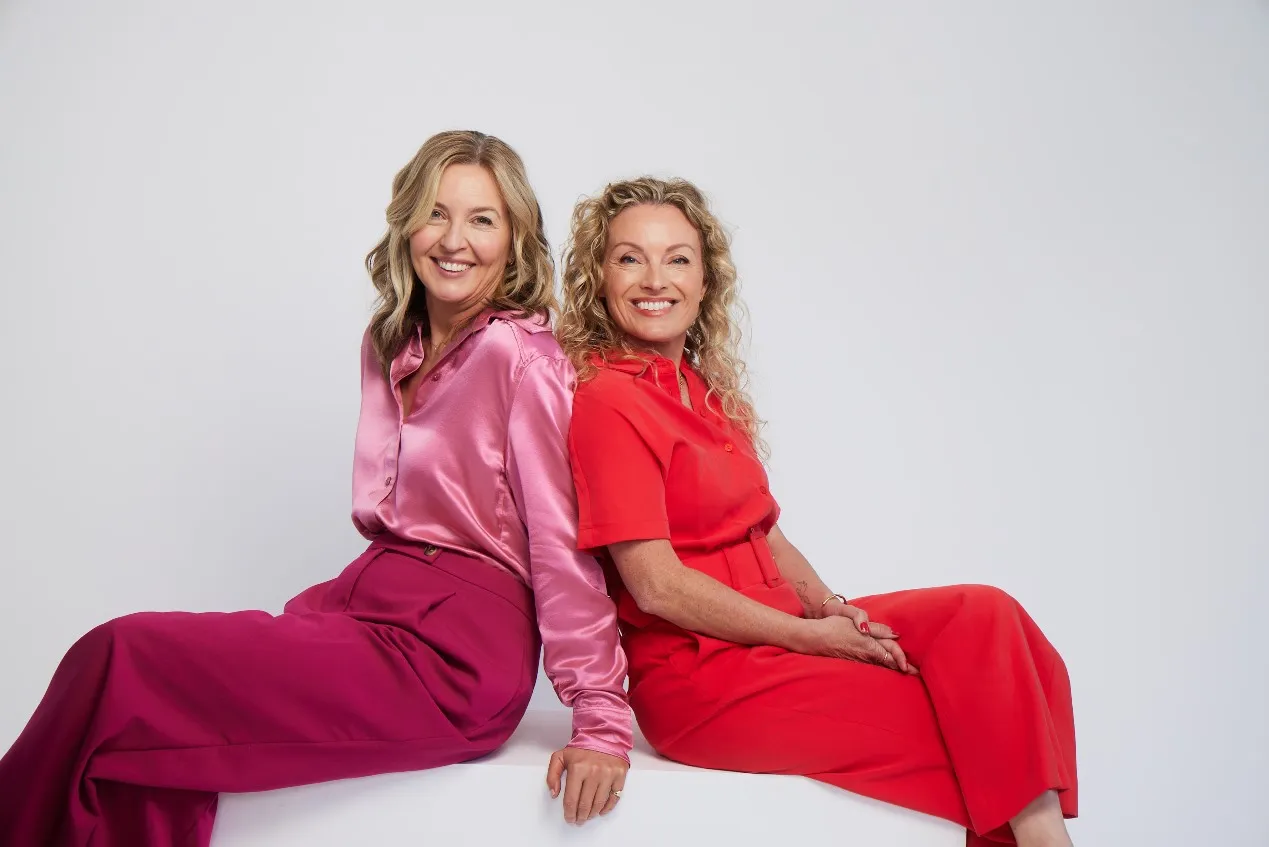
It was during Covid that I really started talking about it properly with my business partner Kate. We'd been spending so much time together we couldn't blame stress alone. After many walks and many conversations, we started digging. I grew up with a naturopath mother. Kate had a GP father. We started asking questions.
What we found shocked us. And eventually, it changed everything.
Nobody was talking about it. And the odd occasion they were, nobody was listening.
The first thing that hit me was how dismissed women were. The products on the market were clearly not designed by women like us. The supplement category was overwhelming and largely useless. And perimenopause! This years-long transition that precedes menopause, was barely spoken about at all. When it was, it was framed as something to simply endure.
Symptoms like fatigue, brain fog, weight gain, low mood and disrupted sleep were being written off as 'simply getting older.' Women were gaslit by doctors and being told to 'just deal with it'. That was what made me truly angry.
Women were gaslit by doctors and being told to 'just deal with it'.
And we weren't alone. Research Eir Women conducted across 322 Australian women aged 40 to 60 found that 62% felt under-informed about how perimenopause and menopause affect metabolism and weight, with many expressing frustration at the absence of guidance on what to actually do about it. Nearly a third of women aged 41 to 50 strongly agreed they felt overwhelmed. Not occasionally, but as a baseline state of being.
It's a systemic failing that hits 50% of our population.
So we went deep. Kate and I spent years in the research before Eir Women existed as a brand. Three years, in fact. We were not interested in what was trending. We were interested in what worked. And what we kept coming back to was this: the underlying systems: sleep, stress response, adrenal function and energy production needed support. Women needed consistent, evidence-based support over 'miracle cures'.
Every ingredient in our formulations is there for a specific reason, backed by at least three clinical papers and dosed at the levels those papers identified as effective. No fairy-dust quantities designed to look impressive on a label. No more than ten ingredients per product. Efficacy, not marketing.
One of the ingredients I'm most passionate about is creatine. I know, you might associate it with gym bros wanting to bulk up. But for women over 40, dosed at 5g daily, creatine supports muscle mass, brain function, cellular energy production, and even bone health. It's one of the most researched compounds available, and most women have never even considered it. That gap between the evidence and the public conversation is exactly the problem we set out to close.
Take creatine daily to help with muscle mass, brain health and even bone health.

 In our shop
Eir Women
Fuel 100% Pure Creatine Monohydrate
$39
What actually moves the needle, and what doesn't.
The biggest mistake I see women making in their forties is thinking they need to try harder. More workouts. Less food. More discipline. In reality, that approach often makes things worse. More stress, more cortisol, more hormonal disruption, more burnout. You cannot out-supplement or out-HRT a chaotic lifestyle.
If I had to distil it down, here's what I'd tell every woman in her forties:
Sleep first
It's the foundation of everything. Lack of sleep effects hormone balance and leaves you very little in the way of coping mechanisms. Everything else sits on top of this.
Strength training over punishing cardio
Muscle is everything after 40. I love pole dancing personally - it's strength work that also brings genuine joy, which matters more than people give it credit for.
Blood sugar balance
Wildly underrated. Stable blood sugar means stable energy, fewer cravings and better mood. It changes everything.
Stress management
Stress management, not stress elimination, which is impossible, but building the resilience to down-regulate. High cortisol will undo every good thing you do. This one cannot be skipped.
The research backs this up. Among midlife Australian women surveyed, those who engaged in regular physical activity, prioritised hormonal health through nutrition and supplements, and practised mindfulness consistently reported lower anxiety, better sleep and improved emotional resilience. It's not just one thing. It's the combination, done consistently over time.
The trust problem nobody wants to admit.
One of the most striking findings from Eir Women's research was this: the issue for midlife women is not access to healthcare. It's trust. More than a quarter of respondents strongly agreed that finding trustworthy health advice is difficult. Women in their forties, actively managing perimenopausal symptoms, often at their most health-engaged reported the lowest trust levels of all.
I have access to doctors, but I don't always feel they take my concerns seriously, especially about menopause.
That quote came from a survey respondent. I have heard versions of it hundreds of times.
That gap between what women are experiencing and what they're being told is part of why so many of us ended up in digital communities, researching alone at midnight, or trying things that didn't work. It's also why Kate and I felt so strongly that Eir Women needed to be rooted in real science, communicated honestly.
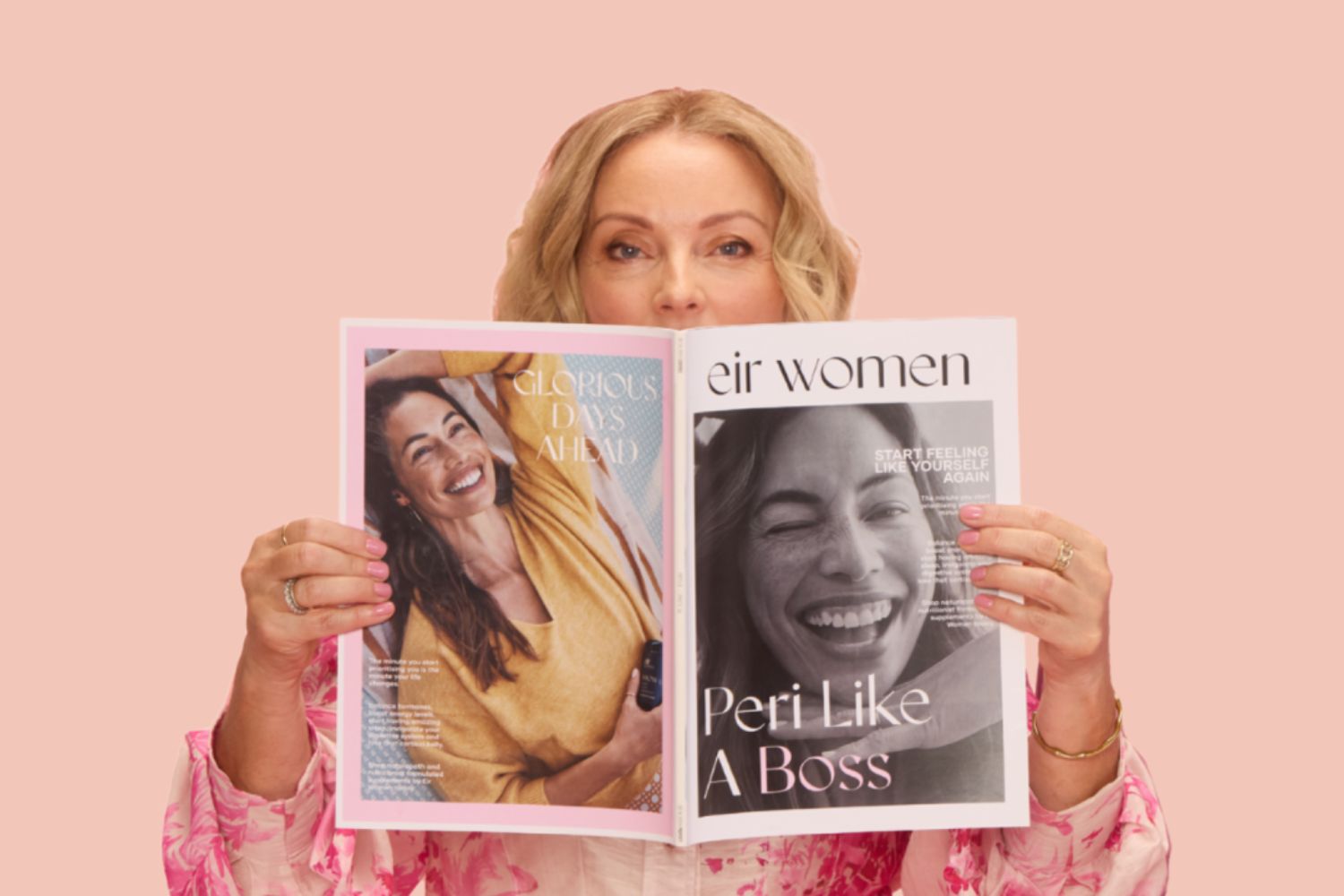
What I've come to understand about healing.
I'm currently completed my Masters in Wellbeing Science, which has shaped the way I think about all of this. Healing, to me, is not about getting back to who you were at 25. It's about coming back into alignment with your body. Understanding it. Working with it instead of constantly fighting it.
There is a real joy available in this chapter of life, once you stop trying to force the old playbook. Your body has shifted. The rules have changed. And once you understand that, you can start writing a new one.
Thriving, for me, looks like energy without forcing it. Waking up clear-headed. Feeling strong.
Moving through life fluidly rather than fighting every moment. Waking up clear-headed. Feeling strong. Not constantly thinking about food, weight or exhaustion. Having the capacity to be present, in business, in family, in life, without dragging myself through it.
It is not perfection. It is being comfortable with the chaos and the beauty of the life you actually have.
If you're feeling off right now? Start here.
First: know that you are not alone, and it is not in your head.
Then, start with sleep.
See your GP and understand what else might be going on before you assume everything is hormonal. Support your body nutritionally with intention, not guesswork. And give it time. Your body did not change overnight. It will not rebalance overnight either.
I wish someone had told me before 40 that this phase was coming. That it wasn't always subtle. That I wasn't the problem. That my body changing wasn't a decline, it was a shift. And that what I actually needed wasn't more willpower. It was a new playbook.
That's what Kate and I are building. And if any of this sounds familiar, please know: we built it for you.

 In our shop
Eir Women
Reboot
$65
Lisa is the co-founder of Eir Women, a science-backed supplement brand designed specifically for women navigating perimenopause and midlife. Eir Women is available through the Beauticate Shop.
Shop the Eir Women Edit


Frequently Asked Questions
Q: What is perimenopause and when does it start? A: Perimenopause is the years-long transition that precedes menopause, typically beginning in a woman's early to mid-forties. Symptoms include fatigue, brain fog, weight changes, disrupted sleep, low mood and irregular cycles. Many women experience these symptoms for years before receiving an explanation or diagnosis.
Q: Is creatine good for women over 40? A: Yes - creatine is one of the most well-researched supplements available and is particularly relevant for women over 40. At 5g daily, it supports muscle mass preservation, brain function, cellular energy production and bone health. Most women have never considered it because it has historically been associated with male athletes, but the evidence for women in midlife is strong.
Q: Why do women feel dismissed by doctors about perimenopause? A: Eir Women research across 322 Australian women found that more than a quarter strongly agreed that finding trustworthy health advice is difficult, and those most actively managing perimenopausal symptoms reported the lowest trust levels of all. Symptoms like fatigue, brain fog and mood changes are frequently attributed to "just getting older" rather than investigated.
Q: What actually works for women's health after 40? A: According to Lisa Walker and the Eir Women research, the fundamentals that consistently make the most difference are: prioritising sleep above everything else, strength training over punishing cardio, blood sugar balance for stable energy and mood, and building stress resilience rather than trying to eliminate stress. No supplement or HRT will compensate for a chaotic lifestyle.